Skin Health & Function: How Your Skin Works
Healthy skin depends on how well it functions, not just how it looks. Before any treatment is recommended, understanding what is happening beneath the surface — how your skin is hydrating, repairing, and defending itself — is the foundation of any approach that produces genuinely lasting results.
This page explains the key factors that influence skin health, why they matter, and how the treatments available at Dr Marian’s practice are designed to support them.
What Is Skin Function?
Skin function refers to how effectively the skin performs its core biological roles — protecting the body from the outside environment, retaining moisture, regulating temperature, and supporting the repair of damaged tissue. When these processes work well, the skin tends to look healthy, feel comfortable, and respond positively to treatment. When they are compromised, concerns such as dryness, sensitivity, premature ageing, and uneven tone often follow.
The skin barrier is central to all of this. It is the outermost layer of the skin and acts as the first line of defence against pollution, UV radiation, bacteria, and moisture loss. A strong, intact barrier keeps irritants out and hydration in. A weakened barrier does the opposite — and once compromised, it can take time and the right support to restore.
Key Factors in Skin Health
Several interconnected factors determine how the skin looks, feels, and ages over time. Addressing them together, rather than treating surface symptoms in isolation, tends to produce the most meaningful and sustainable improvements.
- Hydration: The skin’s ability to retain water affects its texture, elasticity, and resilience. Well-hydrated skin appears plumper and smoother; dehydrated skin looks dull and feels tight. Hydration is influenced by the skin barrier, lifestyle, and the presence of substances such as hyaluronic acid within the skin itself
- Collagen: Collagen is the structural protein that gives skin its firmness and support. It begins declining from the mid-twenties onwards, contributing to fine lines, laxity, and a gradual loss of the skin’s structural integrity. Stimulating collagen production is one of the primary goals of many aesthetic treatments
- Elastin: Alongside collagen, elastin allows the skin to stretch and return to shape. As elastin fibres reduce with age, the skin loses its natural bounce and resilience, becoming more prone to creasing and sagging
- Inflammation: Chronic low-level inflammation accelerates skin ageing and can compromise the barrier function. It is often driven by sun exposure, stress, diet, and environmental pollutants — and is a factor in conditions such as sensitivity, redness, and acne
- Environmental exposure: UV radiation is the single most significant external contributor to premature skin ageing. It breaks down collagen, triggers pigmentation changes, and generates oxidative stress within the skin cells. Consistent sun protection remains the most effective long-term skin health investment available
Why Skin Function Matters for Treatment
Improving how the skin functions — rather than simply addressing its surface appearance — leads to more natural and longer-lasting results. A treatment that supports collagen production, restores hydration, or repairs the barrier is doing something fundamentally different to one that only changes how the skin looks in the short term.
This is why a detailed skin assessment before treatment is valuable. Understanding the current condition of the skin allows for recommendations that address the actual cause of a concern, not just its visible effect. Two patients presenting with similar surface symptoms may have entirely different underlying skin health needs — and treating them identically would produce very different outcomes.
Treatments That Support Skin Health
The treatments below are used at Dr Marian’s practice specifically to support and improve the way the skin functions — addressing hydration, collagen, barrier health, and regeneration at a biological level rather than simply altering appearance.
- Skin Boosters: Injectable hyaluronic acid treatments designed to restore deep hydration, improve skin texture, and strengthen the skin barrier from within. Particularly well suited to dry, sensitive, or ageing skin seeking natural improvement. Learn more about skin boosters →
- Polynucleotide Therapy: A regenerative treatment using purified DNA fragments to support tissue repair, deep hydration, and skin quality improvement. Often selected for fragile, dehydrated, or ageing skin where restoring function is the primary goal. Read about polynucleotides →
- PRP Therapy (Platelet-Rich Plasma): A treatment that uses the patient’s own blood platelets to stimulate the skin’s natural repair and regeneration processes. Supports collagen production, skin renewal, and recovery. Learn more about PRP →
Each of these treatments works with the skin’s own biology rather than overriding it — making them particularly well aligned with patients who want gradual, natural-looking improvements rather than dramatic change.
Is This Right for You?
Treatments focused on skin health and function tend to suit patients who are noticing early changes in their skin quality — dullness, increased dryness, mild sensitivity, or a loss of the resilience their skin once had — but who are not yet looking for structural correction or significant volume change.
They are also a popular first step for patients who are new to aesthetic medicine and want to begin with an approach that feels natural, low-risk, and focused on long-term skin health rather than a specific aesthetic result.
The most important first step is a consultation, where your skin can be assessed properly and a plan built around what it actually needs. If you would like to discuss your skin concerns and understand which approach might be appropriate for you, book a consultation here.
Articles by DrMarian
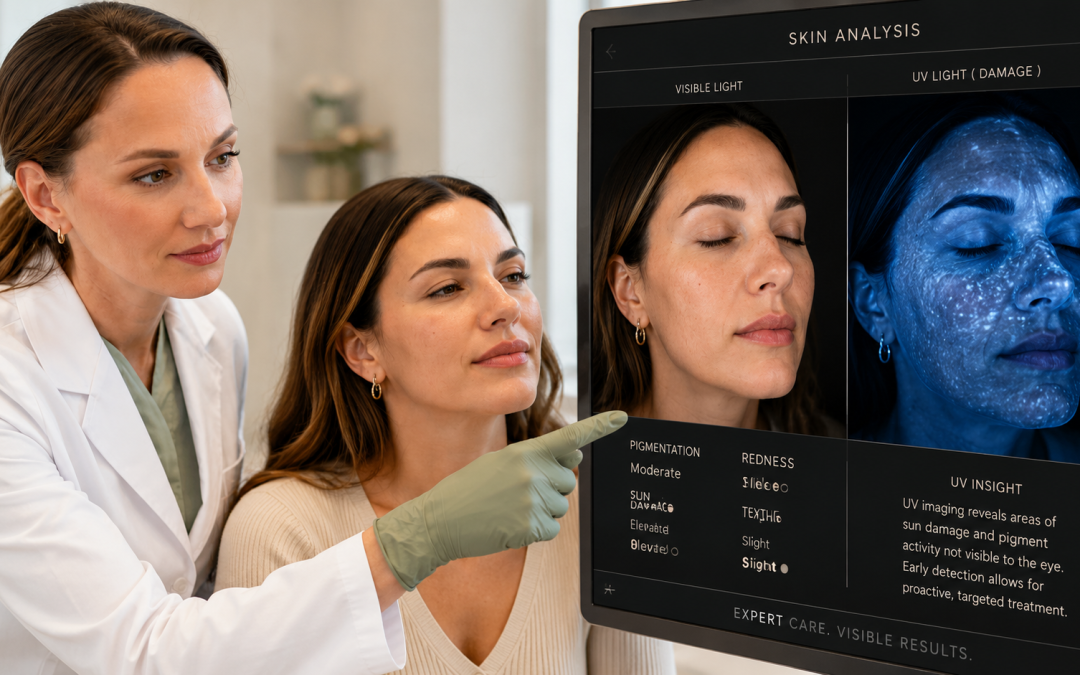
What Is 9D Skin and Facial Analysis and How Does It Assess Skin Health?
One of the most common things I hear from patients is that they have been told they have pigmentation, or sensitivity, or early ageing changes — but they have never actually seen what is happening beneath the surface of their skin. The 9D analysis changes that. It gives us both a starting point and a shared understanding, so that any recommendations I make are based on what your skin actually needs rather than what it appears to need.
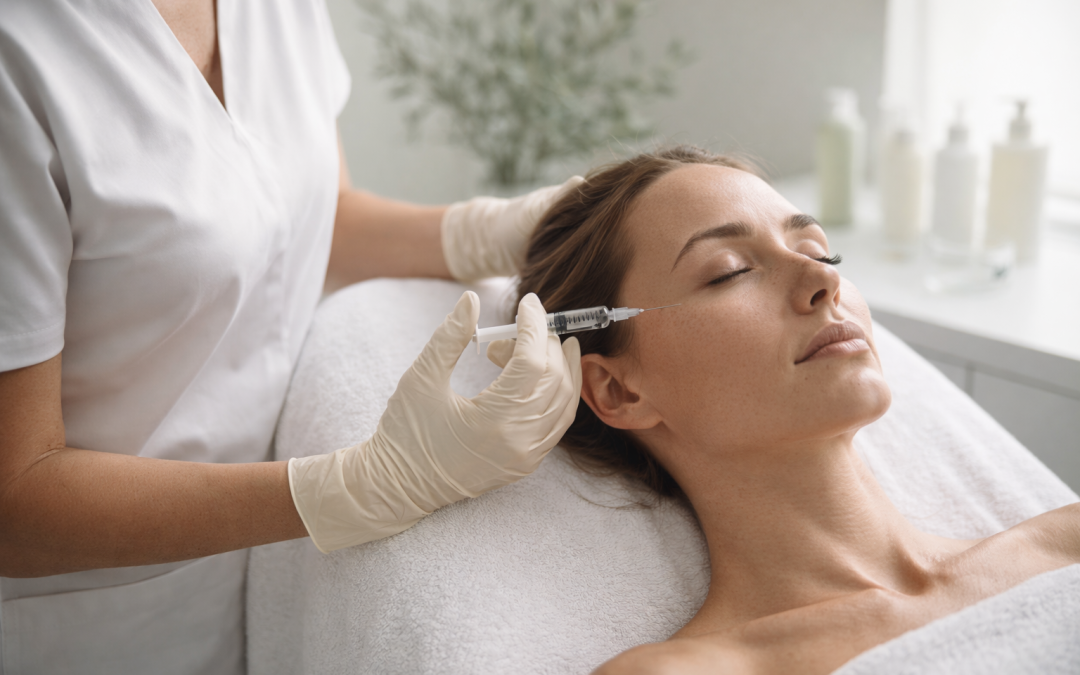
What are skin boosters and how do they improve skin health?
If you’ve noticed your skin looking dull, feeling rough to the touch, or losing the plumpness it once had — you’re not alone. Skin boosters offer a gentle, medically grounded way to restore what time and environment gradually take away.