Regenerative Skin Treatments for Natural Repair
Regenerative treatments work differently to most aesthetic procedures. Rather than adding volume, relaxing muscles, or removing tissue, they focus on supporting and improving the skin’s own biological repair processes — stimulating collagen, restoring hydration, and encouraging cellular renewal from within.
For patients who want improvements that feel natural rather than done, and who prefer a gradual and sustainable approach over immediate dramatic change, regenerative medicine offers a well-evidenced and increasingly widely used set of options. This page explains what regenerative treatments are, how they work, and which might be appropriate for different skin concerns.
What Are Regenerative Treatments?
Regenerative treatments are those that work by activating or supporting the body’s own repair mechanisms rather than introducing an external structural change. The active ingredients — whether growth factors from PRP, DNA fragments from polynucleotides, or hydrating molecules from skin boosters — all communicate with the skin’s cells in some way, signalling them to repair, regenerate, or function better.
The results of regenerative treatments tend to develop progressively over several weeks rather than being immediately visible. This reflects the biology of what is happening — collagen takes time to form, tissue takes time to remodel, and cellular repair is a gradual process. The improvements, when they come, feel like the skin is simply working better — healthier, more hydrated, more resilient — rather than like something has been done to it.
How Regenerative Treatments Work
At the centre of most regenerative treatments are growth factors — naturally occurring proteins that signal cells to begin repair and regeneration. They act as biological messengers, coordinating the healing response that the skin uses after any injury or stress. By delivering or stimulating these signals in a controlled and targeted way, regenerative treatments encourage the skin to produce new collagen, improve its hydration capacity, and renew its surface more efficiently.
Different treatments deliver this stimulus in different ways and through different mechanisms. PRP uses the patient’s own concentrated platelets. Polynucleotides use purified DNA fragments. Skin boosters use hyaluronic acid to restore the hydration environment that healthy cell function depends on. Each works differently, and the right choice depends on what the individual skin actually needs.
PRP Therapy (Platelet-Rich Plasma)
PRP is one of the most natural regenerative treatments available because its active ingredients come entirely from the patient’s own body. A small amount of blood is taken, processed in a centrifuge to concentrate the platelets, and then injected or applied to the treatment area. The concentrated platelets release growth factors that stimulate collagen production, improve skin quality, and support tissue repair and renewal.
PRP is used for skin rejuvenation — improving texture, tone, and overall skin quality — as well as hair restoration for patients experiencing thinning. Results develop gradually over four to six weeks following each session, with the most significant improvements typically visible at around three months. A course of two to three sessions is usually recommended to establish the best foundation.
Because PRP uses the patient’s own biological material, the risk of allergic reaction is very low. It is one of the treatments that most closely aligns with the philosophy of working with the body rather than against it. View PRP Therapy on the services page →
Polynucleotide Therapy
Polynucleotides are purified DNA fragments — most commonly derived from salmon or trout DNA — that have been used in regenerative medicine for decades and are increasingly applied in aesthetic practice. When injected into the skin, they support cellular repair and regeneration, stimulate collagen and elastin production, and provide deep, sustained hydration that improves skin quality from within.
Polynucleotides are particularly well suited to patients with thin, fragile, or sensitive skin, those with under-eye concerns such as hollowing or dark circles, and patients whose primary goal is improving overall skin quality and resilience rather than achieving a surface-level brightening effect. They are also frequently used to support recovery after more intensive treatments such as laser resurfacing.
Like PRP, the results of polynucleotide treatment are gradual and progressive — the skin improves incrementally over several weeks and continues to respond in the months following treatment. View Polynucleotide Therapy on the services page →
Skin Boosters
Skin boosters are injectable hyaluronic acid treatments that restore deep hydration and support the skin barrier from within. Unlike dermal fillers — which add volume or structural support — skin boosters are designed to improve the quality and function of the skin itself. They work by delivering hydrating substances into the dermis, where they attract and retain water, improving elasticity, texture, and the skin’s overall resilience.
Hyaluronic acid is a naturally occurring substance in the skin, which means skin boosters are well tolerated and suitable for a wide range of patients. They are particularly effective for dry, dull, or dehydrated skin, for patients whose skin quality has been affected by sun exposure, stress, or ageing, and for those who want a treatment that feels genuinely natural in both process and result.
A typical course consists of two to three sessions spaced four weeks apart, followed by maintenance sessions every six to twelve months. View Skin Boosters on the services page →
Microneedling with Regenerative Ingredients
Microneedling with a derma pen can be combined with regenerative ingredients — including exosomes, peptides, polynucleotides, or NCTF hyaluronic acid — to enhance the treatment’s effect on skin quality, hydration, and repair. The microneedling creates controlled micro-channels in the skin that temporarily improve the absorption of topical ingredients, allowing them to reach the deeper layers where they can support collagen production and cellular renewal more effectively.
The right combination of ingredient depends on the individual’s skin concern — exosomes for recovery and brightness, peptides for early anti-ageing support, polynucleotides for deep regeneration, and NCTF hyaluronic acid for overall hydration and radiance. Read more about microneedling with regenerative ingredients →
Which Regenerative Treatment Is Right for You?
The most appropriate regenerative treatment depends on the specific condition of your skin, your primary concern, and your treatment goals. As a broad guide:
- PRP is well suited to patients focused on overall skin rejuvenation or hair restoration, where stimulating the body’s own repair response is the goal
- Polynucleotides are often the right choice for fragile, sensitive, or ageing skin, or for under-eye concerns where deep regeneration and hydration are needed
- Skin boosters tend to suit patients who are primarily concerned with hydration, dullness, or skin quality — including those new to aesthetic treatments who want a gentle, natural starting point
- Microneedling with regenerative ingredients is a good option for patients wanting to address texture, scarring, or skin quality concerns with a treatment that combines mechanical stimulation with targeted active ingredients
These treatments can also be combined or sequenced as part of a longer-term skin health plan. The most important step is a consultation, where your skin can be assessed properly before any recommendation is made.
Is This Right for You?
Regenerative treatments are particularly well aligned with patients who want gradual, natural-looking improvements rather than immediate or dramatic results — and who value an approach that works with the skin’s own biology rather than overriding it. They are not suitable for every concern, and some patients will benefit more from a different approach.
If you would like to understand which regenerative treatment, if any, is appropriate for your skin, a consultation is always the right starting point. Book a consultation here →
Articles by DrMarian
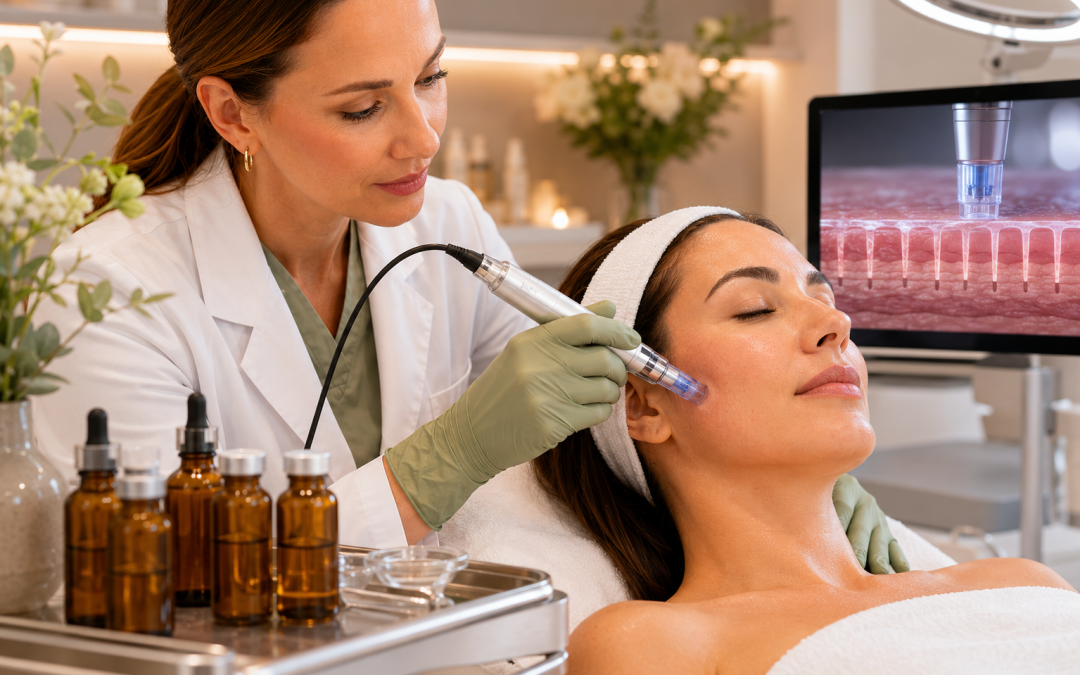
What Is Microneedling with a Derma Pen Using a combination of Exosomes, Peptides and Polynucleotides vs NCTF Hyaluronic Acid?
Microneedling is one of those treatments where the ingredient you combine it with matters as much as the treatment itself. The needle creates the channel — but it is what goes into that channel that shapes the result. Exosomes, peptides, polynucleotides, and NCTF hyaluronic acid each do something different, and choosing between them should always be based on what your skin actually needs rather than what is currently popular.
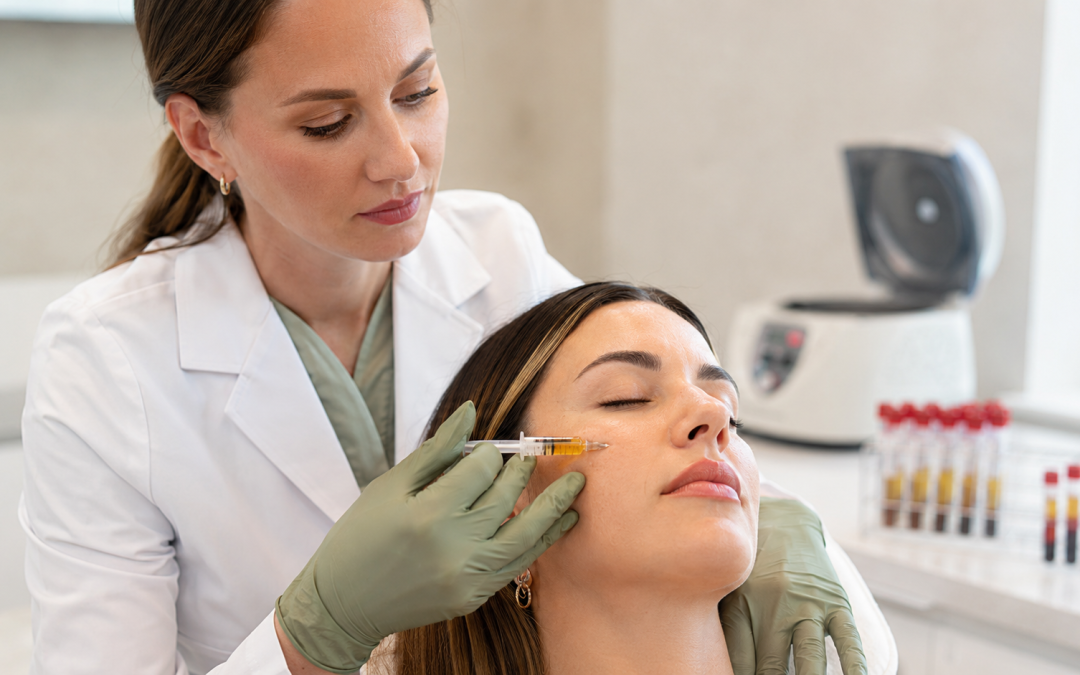
PRP Treatment: Benefits for Skin, Hair & Healing
PRP is one of those treatments that often surprises people — the idea of using your own blood to support skin and hair health sounds more complex than it is. In practice, it is one of the most natural approaches available, because the active ingredients come entirely from your own body